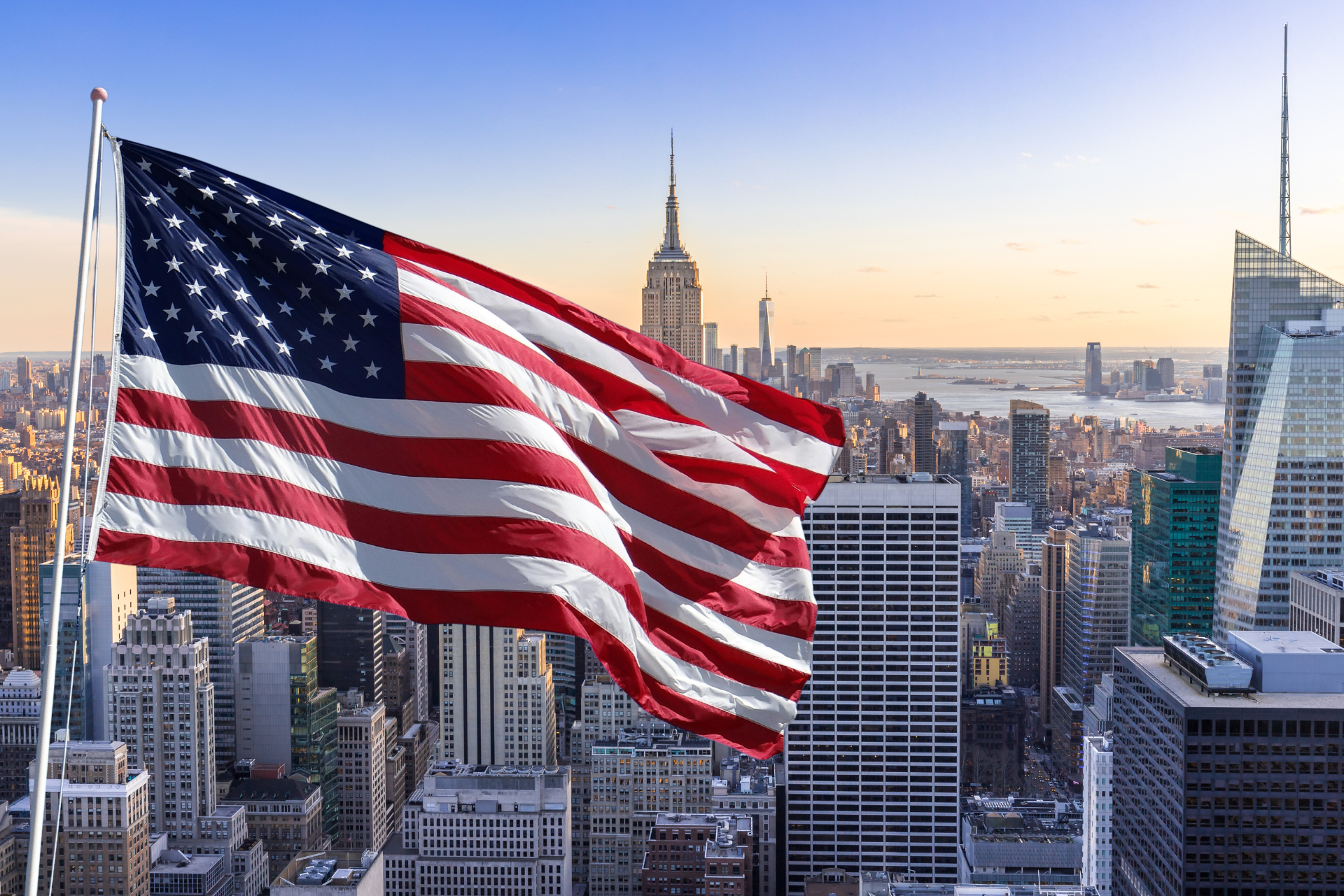
On November 3rd in the United States, millions of Americans had the opportunity to make their voices heard in the 2026 midterm election. We voted for candidates, policies, priorities, and values. We voted for the kind of leadership we want representing us.
The midterm election would determine the balance of power in Congress, as well as leadership in state and local governments across the country.
And this year, the outcome was decisive. It wasn’t just a blue wave. It was a blue tsunami. Democrats won control of both the House and the Senate in a midterm with record-breaking voter turnout. History was made, too. In Georgia, Keisha Lance Bottoms became the first Black woman ever elected governor of a U.S. state. In New Mexico, Deb Haaland became the first Native American woman elected governor.
According to the Center for American Women and Politics at Rutgers University, at least 100 Democratic women will serve in the House when the new Congress convenes, a new record, and at least 17 women are expected to serve as governors in 2027, also a record.
Of course, not everyone celebrated. Some candidates won. Others lost.
Democracy requires patience. Leadership requires integrity.
Leading up to the election, I had seen yard signs that say RESPECT THE VOTE. Three simple words that express an important leadership principle: respecting the democratic process, even when the results aren't what we hoped for.
And that raises a question worth asking:
What does our response to winning or losing reveal about our character?
That question applies equally to politicians, executives, entrepreneurs, parents, and community leaders. Leadership isn't just about how we behave when we win. It's also about how we behave when we lose.
Losing can be a great teacher.
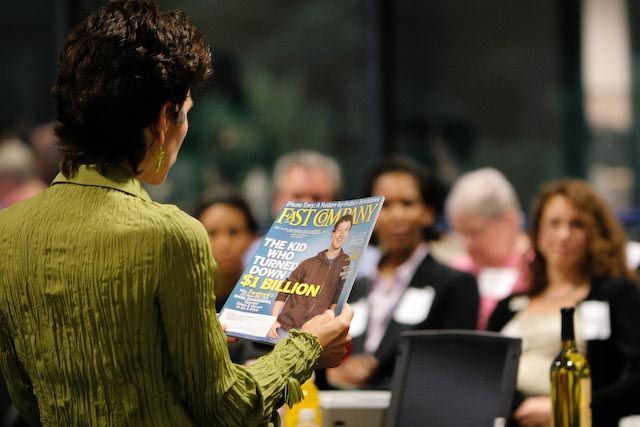
I wrote about an epic loss in my book, Fearless Female Leaders. As a student at Stanford University, I auditioned for a coveted spot on an exclusive dance team. I believed I was the most qualified candidate, and I worked my ass off preparing for that audition.
But it turned out that the selection process was a very different game from anything I'd experienced in my young, naive life. I didn't make the team.
Losing was painful enough. But my refusal to accept the outcome—and my subsequent reactions and behaviors—turned a disappointing experience into a prolonged crash and burn.
Looking back, I realize that the loss itself wasn't my greatest failure. It was how I responded to losing.
That painful experience became a profound leadership origin story for me.
Let's be honest…
Losing stings. Failure hurts. And sometimes our reaction to defeat can cause more damage than the loss itself.
But losing can also teach us humility, reveal our blind spots, and strengthen our resilience. Sometimes, what feels like a closed door leads us toward an opportunity we never imagined.
The question is whether we're willing to learn from the experience—or whether we allow our disappointment, anger, or wounded pride to keep us stuck. Moving forward requires self-awareness, the courage to take responsibility, and the willingness to let go.
Our legacy is about more than winning. It's about who we are being along the way.
What kind of leader do YOU want to be?
Here are three questions worth considering, regardless of how you feel about the election results.
👉 CHARACTER: What qualities do I most admire in leaders, and how do they demonstrate integrity, humility, and accountability—even when it's difficult?
👉 COURAGE: How do I respond when things don't go my way? Do I blame others, or look for opportunities to learn and grow?
👉 LEGACY: What do I want people to remember about how I treated others, especially during difficult times?
These aren't just questions for elected officials. They're questions for all of us who aspire to lead with integrity and make a positive difference.
Civic courage doesn't end on Election Day.
When I began my personal challenge, 100 Days of Civic Courage, I was counting down to the midterm election. But I knew from the beginning that the need for civic courage wouldn't end on November 3.
Just like exercise, healthy eating, or developing a new leadership skill, civic courage grows stronger through consistent action. It can become part of how we live our lives.
Civic courage is more than politics. It's about showing up, speaking up, listening to perspectives different from our own, and standing up for what we believe in. It's about building bridges instead of burning them, and treating people with dignity—even when we disagree.
I've long believed that leadership is a lifestyle choice. I'm beginning to think the same is true of civic courage.
My original 100-day challenge may have reached its milestone, but I'm not finished. I'm committing to another 100 days of civic courage, and I hope you'll consider doing the same.
After all, democracy isn't something we practice only on Election Day. It's something we participate in, protect, and strengthen through our everyday choices.
Want more inspiration?
Read my Substack post which I wrote the day of the midterm election. I focused on the idea that Democracy is about sharing, not hoarding
Not on Substack yet? It’s a great platform to listen, learn and engage your civic muscles. I’d be honored if you follow me - https://substack.com/@kathymcafee